
Pediatric Excipient Safety Checker
Check Medication Safety for Your Child
Safety Assessment
Risk Level:
Medication Contains:
Recommended Action:
Note: This tool provides general guidance based on scientific evidence. Always consult your pediatrician or pharmacist for medical advice.
Alcohol-Based Excipients Detected
Propylene glycol and ethanol are common solvents in liquid medications. For children under 2 years, these can cause:
- Seizures, low blood pressure, irregular heartbeat
- Kidney damage, coma in high doses
- Respiratory failure in infants
Sorbitol Detected
Sorbitol is a sugar alcohol that can cause:
- Severe diarrhea and dehydration
- Metabolic acidosis (blood too acidic)
- Electrolyte imbalances leading to seizures
Benzyl Alcohol Detected
This is particularly dangerous for newborns and infants:
- Gasping Syndrome (labored breathing)
- Metabolic acidosis
- Methemoglobinemia (blood can't carry oxygen)
- Organ failure and death in high doses
What Are Pediatric Excipients-and Why Should You Care?
When you give your child a liquid medicine, you’re not just giving them the active drug. You’re also giving them a mix of invisible ingredients called excipients. These are the fillers, sweeteners, preservatives, and solvents added to make the medicine taste better, last longer, or flow through a syringe. But for babies and young kids, some of these so-called "inert" ingredients aren’t harmless at all. In fact, they can be dangerous.
Think about it: a newborn weighs less than 3 kilograms. Their liver and kidneys are still learning how to process things. A dose of medicine that’s safe for an adult might contain ten times the amount of alcohol or sugar alcohol that a baby’s body can handle. And because these ingredients aren’t always clearly labeled on pediatric bottles, many parents-and even some doctors-don’t realize the risk.
Alcohol in Children’s Medicine: More Than Just a Hangover Risk
Propylene glycol and ethanol are two of the most common alcohol-based excipients found in children’s medications. You’ll find them in liquid antibiotics, seizure drugs, and even some cough syrups. But these aren’t the same as the alcohol in a glass of wine. These are concentrated, pharmaceutical-grade solvents used to dissolve active ingredients.
Propylene glycol is in 80% of liquid lorazepam, 40-70% of phenobarbital, and 25% of esmolol. That’s not a typo. These aren’t trace amounts. A premature infant receiving multiple doses of these drugs over several days can easily exceed the safe daily limit of 100 mg/kg. At that level, the body can’t break it down fast enough. Toxic buildup happens. Symptoms? Seizures, low blood pressure, irregular heartbeat, kidney damage, even coma.
And ethanol? Even worse. While less common now, some older formulations still use it. A baby’s liver can’t metabolize ethanol like an adult’s. One study showed that infants exposed to ethanol-containing meds had dangerously low blood sugar-leading to seizures. Another reported coma and respiratory failure after repeated dosing.
It’s not just oral meds. Topical creams and gels with propylene glycol can be absorbed through broken skin. Babies with severe diaper rash or eczema are at higher risk. One case study described a newborn with a burn developing systemic toxicity after a cream was applied to the affected area.
Sorbitol: The Sweet Poison in Liquid Medicines
Sorbitol is everywhere. It’s in chewable vitamins, liquid antibiotics, and syrups because it’s sweet, cheap, and helps thicken the formula. But for kids, especially those under two, it’s not just a laxative. It’s a metabolic trap.
Sorbitol is a sugar alcohol. The body absorbs it slowly, and what doesn’t get absorbed ferments in the gut. That’s why adults get bloating or diarrhea after eating sugar-free gum. But in infants, the same effect can be deadly. Severe diarrhea leads to dehydration. Dehydration leads to electrolyte imbalance. In a tiny baby, that can trigger seizures or kidney failure.
And it’s not just sorbitol. Other sugar alcohols like xylitol and mannitol carry similar risks. A 2021 review found that children with lactose intolerance often react just as badly to these alternatives-experiencing not just stomach pain, but muscle aches, eczema flare-ups, and even metabolic acidosis. That’s when the blood becomes too acidic, and organs start shutting down.
Worse, many pediatric formulations don’t list sorbitol clearly. You’ll see "sweetener" or "flavoring" on the label. Parents assume it’s safe because it’s natural. It’s not. A 2023 study found that 31% of all pediatric prescriptions contained at least one harmful excipient. Sorbitol was among the top three.
Benzyl Alcohol: The Silent Killer in Neonatal Care
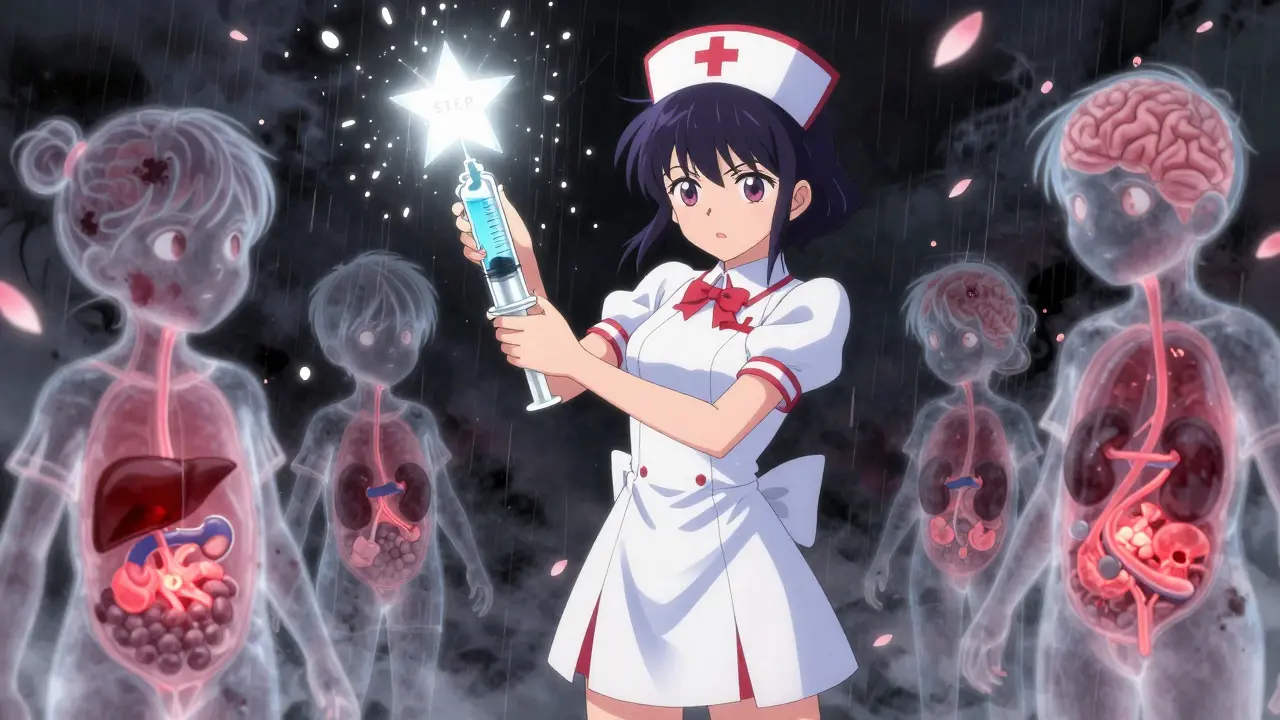
Benzyl alcohol is one of the most dangerous excipients for newborns. It’s used as a preservative in multi-dose vials of antibiotics, steroids, and IV fluids. In adults, it’s fine. In babies under 4 weeks old? It can kill.
There’s a condition called the "Gasping Syndrome"-named after the labored, irregular breathing babies exhibit before they die. It was first linked to benzyl alcohol in the 1980s. Babies exposed to high doses developed metabolic acidosis, liver enlargement, low platelets, and kidney failure. Eight preterm infants under 1,200 grams died after being given E-Ferol, a supplement containing benzyl alcohol.
Even today, benzyl alcohol is still used in some IV medications given to NICU babies. A Danish study in 2022 found that 92% of neonates in intensive care received at least one medication containing it. The median exposure? 18.7 mg/kg/day. The safe limit? 10 mg/kg/day.
And it’s not just systemic toxicity. Benzyl alcohol is also found in nasal sprays and topical anesthetics like benzocaine. The FDA warns against using benzocaine in children under two because it can cause methemoglobinemia-a condition where blood can’t carry oxygen. The baby’s skin turns blue. They gasp. They die.
Why Are These Ingredients Still in Kids’ Medicine?
It’s not because manufacturers are careless. It’s because the system is broken.
Most pediatric medicines are just adult formulas diluted. No one tests them for safety in babies. Regulatory agencies like the FDA and EMA have pushed for better pediatric formulations since 2002, but progress is slow. A 2022 survey found that 78% of hospital pharmacists struggle to find age-appropriate versions of common drugs. So they dilute adult pills. Or they use syrups with toxic excipients.
There’s also a lack of labeling. In the U.S., excipients don’t need to be listed on the patient label-only on the manufacturer’s sheet. Parents never see them. In Europe, it’s slightly better, but still inconsistent.
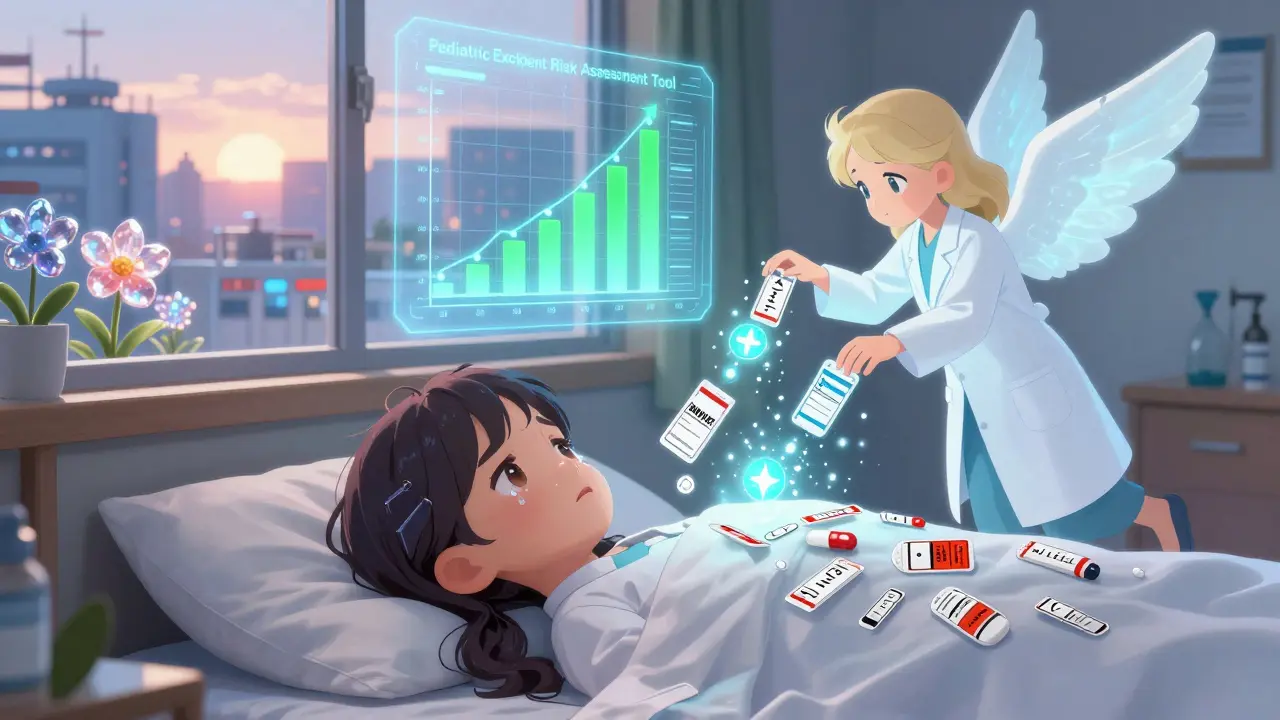
The STEP database, created by the European Paediatric Formulation Initiative, tracks over 250 excipients and their risks. But it’s not widely used. Only 32% of pharmaceutical companies have adopted the Pediatric Excipient Risk Assessment Tool (PERAT). That means most drugs still slip through the cracks.
What Can Parents and Caregivers Do?
You can’t control what’s in the medicine. But you can ask the right questions.
- Ask for the full ingredient list. Don’t settle for "active ingredient only." Ask the pharmacist: "Does this contain propylene glycol, sorbitol, or benzyl alcohol?"
- Check for alternatives. Some brands make the same drug without harmful excipients. For example, some liquid antibiotics now use glycerin instead of sorbitol.
- Know the signs. If your child becomes unusually sleepy, has trouble breathing, develops a rash, or has persistent diarrhea after starting a new medicine, stop it and call your doctor immediately.
- Use single-dose vials when possible. Multi-dose vials often contain benzyl alcohol as a preservative. Single-dose vials don’t.
- Report adverse reactions. If your child has a bad reaction, report it to your country’s drug safety agency. More reports mean faster change.
The Future: Safer Medicines Are Possible
Change is coming-but slowly.
The European Commission is updating its pediatric regulations, with new rules requiring full excipient safety dossiers by 2026. The FDA has approved more pediatric formulations each year since 2016. Researchers are developing 17 new excipients designed to be safe for babies, including ones that replace alcohol and sugar alcohols with starch or cellulose powder.
But until then, the burden falls on parents and clinicians. The science is clear: excipients aren’t inert. For children, especially newborns, they’re active toxins. And ignoring them isn’t an option.
What to Do If Your Child Has Been Exposed
If you suspect your child has been exposed to a harmful excipient, don’t wait for symptoms to worsen.
- Stop the medication immediately.
- Call your pediatrician or poison control center.
- Bring the medicine bottle with you-even the packaging matters.
- Write down when the medicine was started, how often it was given, and any symptoms that appeared.
There’s no antidote for propylene glycol or benzyl alcohol toxicity. Treatment is supportive: IV fluids, correcting acid levels, stopping the exposure. The sooner you act, the better the outcome.
Is it safe to give my child medicine with alcohol in it?
No-not if it contains propylene glycol or ethanol in high concentrations. These are not the same as the alcohol in wine or hand sanitizer. In babies, especially premature ones, they can cause seizures, low blood pressure, kidney failure, and even death. Always check the full ingredient list and ask your pharmacist for a safer alternative.
Can sorbitol cause serious problems in young children?
Yes. Sorbitol is a sugar alcohol that can cause severe diarrhea, dehydration, and metabolic acidosis in infants and toddlers. It’s commonly found in liquid antibiotics and syrups. Children with sensitive guts or existing digestive issues are at higher risk. Even small amounts over several days can build up to dangerous levels. Look for alternatives like starch or cellulose powder in pediatric formulations.
Why is benzyl alcohol so dangerous for newborns?
Benzyl alcohol can cause a life-threatening condition called Gasping Syndrome in newborns, especially those under 4 weeks old or weighing less than 1,500 grams. It leads to metabolic acidosis, organ failure, and respiratory arrest. It’s used as a preservative in multi-dose vials of IV medications. Single-dose vials don’t contain it. Always ask if your baby’s medicine uses a preservative-free version.
Are there any medications for children that don’t contain these harmful excipients?
Yes. Some manufacturers now make pediatric-specific formulations without propylene glycol, sorbitol, or benzyl alcohol. These are often labeled as "preservative-free," "alcohol-free," or "for infants." Ask your pharmacist to check the manufacturer’s website or contact them directly. Brands like Neocate, Nutramigen, and some generic lines have safer options for common drugs like amoxicillin and acetaminophen.
How can I find out what excipients are in my child’s medicine?
The patient label rarely lists all excipients. You need to ask the pharmacist for the full ingredient list from the manufacturer’s package insert. You can also search the STEP database (Safety and Toxicity of Excipients for Paediatrics) or use the FDA’s Drugs@FDA portal to look up the drug’s approved labeling. Don’t rely on the bottle alone-dig deeper.


Justin Fauth
This is pure nonsense. Big Pharma doesn't care about your kid? Please. The FDA approves every single one of these meds after years of testing. You think some random blog post is more credible than peer-reviewed clinical trials? Grow up. My daughter took amoxicillin with propylene glycol for three weeks straight and she's now a healthy 8-year-old. Stop fearmongering with half-baked science.
Meenal Khurana
Always check the label. Simple.
Jesse Naidoo
Wait… so you’re telling me the same stuff that’s in my cough syrup is slowly poisoning my 6-month-old? I just gave her that last week for her cold. Are you saying she’s gonna have seizures now? I feel like I’m gonna throw up. I’ve been giving her this stuff for months. Oh god. Oh god. I need to call the pediatrician right now. This is real. This is actually real. I didn’t know. Nobody told me.
Sherman Lee
They're hiding this on purpose. 🤫 The FDA, WHO, Big Pharma-they’re all in bed together. Why do you think they don’t label it? Because if parents knew, they’d stop buying. It’s not about safety-it’s about profit. And don’t even get me started on the vaccine excipients. Same playbook. 🧪💉 You think your kid’s ‘just getting a cold medicine’? Nah. They’re getting a slow drip of chemical warfare. 🚨 Look up the ‘Gasping Syndrome’ videos on YouTube. Real footage. Real deaths. They’re covering it up. Don’t trust the system. Ever.
Lorena Druetta
Thank you for sharing this critical information with such clarity and care. As a healthcare professional, I have witnessed firsthand the devastating consequences of unrecognized excipient toxicity in neonates. It is imperative that we, as caregivers, advocate for transparency and demand safer formulations. Every parent deserves to make informed decisions without fear. Please continue to raise awareness-your voice matters deeply.
Zachary French
So lemme get this straight… the same company that makes my kid’s antibiotics also puts in enough alcohol to knock out a toddler? And the FDA lets this slide? 😳 I just read that a single dose of some cough syrup has more ethanol than a beer. A BEER. For a BABY. Who thought this was a good idea? The pharmaceutical industry is a joke. And don’t even get me started on how they label ‘sweetener’ instead of ‘sugar poison’. I’m gonna start a petition. #FreeMyKidFromExcipients
Kunal Kaushik
Been reading this thread. My niece had a bad reaction to a liquid antibiotic last year-diarrhea for 5 days, super dehydrated. Docs blamed it on ‘viral gastro’. Turned out it was sorbitol. We switched brands and she’s fine now. Just… check the ingredients. Seriously. It’s not that hard. 🤷♂️
Nathan King
While the concerns raised regarding pediatric excipients are not without merit, the assertion that these substances are universally hazardous is an oversimplification. The pharmacokinetic profiles of neonates and infants are distinct, and dosing thresholds are well-documented in clinical literature. The burden of proof lies not in anecdotal alarmism, but in reproducible, statistically significant toxicological data. Regulatory frameworks, while imperfect, are continuously refined through post-marketing surveillance. To suggest systemic negligence without empirical substantiation risks eroding public trust in evidence-based medicine.