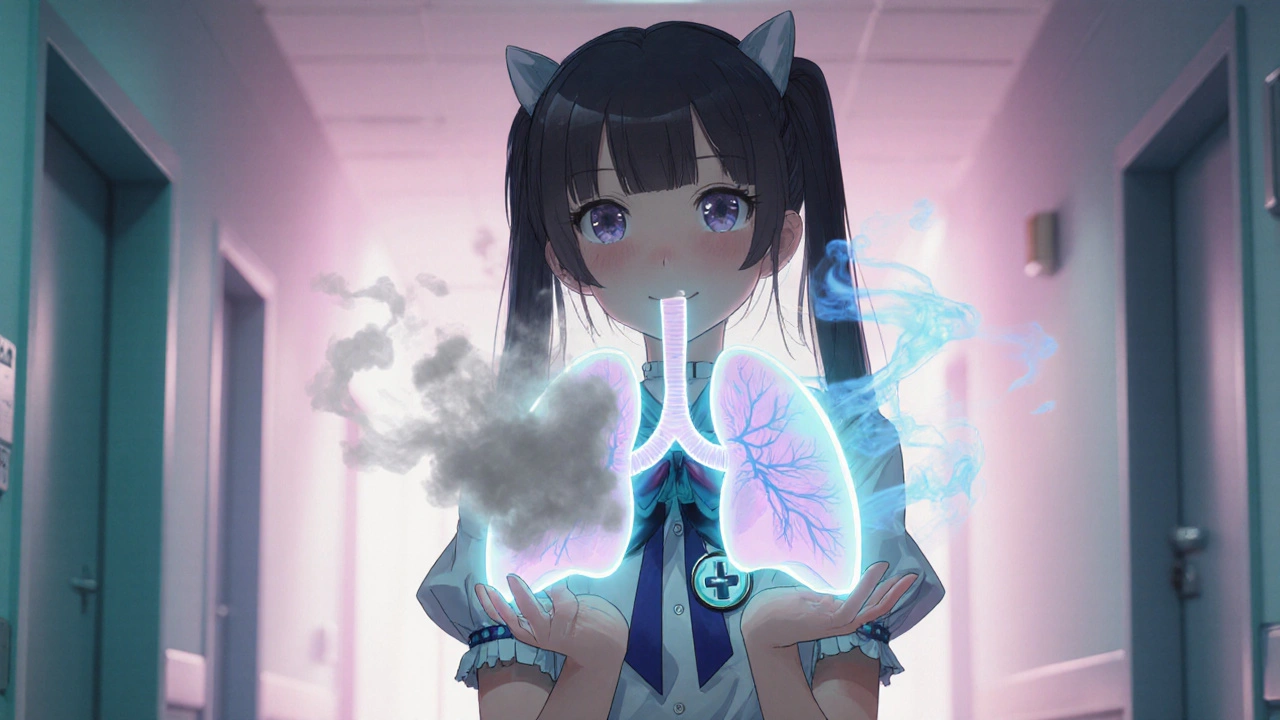
Breathlessness Anxiety
breathlessness anxiety,
the unsettling feeling of not getting enough air tied to nervous thoughts.
Also known as air hunger anxiety.
It shows up when the mind worries about breathing and the body reacts with rapid, shallow breaths. In plain terms, the brain screams "not enough air" and the lungs respond by working harder, which only fuels the worry.
Anxiety plays a starring role. When anxiety spikes, the sympathetic nervous system releases adrenaline, tightening chest muscles and making it feel harder to inhale. This creates a feedback loop: anxiety worsens the perception of breathlessness, and the perceived breathlessness spikes anxiety. The cycle often manifests as shortness of breath, a symptom that can be mistaken for a heart or lung problem.
Understanding the loop helps break it. Breathlessness anxiety is not just a mental issue; it has real physiological effects. Doctors often prescribe inhaler therapy to address the airway component, while psychologists teach breathing retraining and cognitive techniques to calm the mind. Studies show that using a short-acting bronchodilator during an anxiety spike can reduce the sensation of choking, giving the brain a signal that breathing is actually OK.
Key Factors and Management Strategies
1. **Identify triggers** – Common triggers include crowded places, stressful conversations, or even watching news about health crises. Knowing what sparks the episode lets you plan ahead.
2. **Breathing exercises** – Techniques like the 4‑2‑4 method (inhale 4 seconds, hold 2, exhale 4) reset the breathing rhythm and signal the nervous system to relax.
3. **Medication** – Short‑acting beta‑agonists, such as albuterol, can be useful if an underlying airway hyper‑responsiveness exists. For the anxiety side, low‑dose SSRIs or buspirone are often recommended.
4. **Mind‑body tools** – Progressive muscle relaxation, mindfulness meditation, and even gentle yoga reduce overall stress levels, which in turn lessens breathlessness episodes.
5. **Lifestyle tweaks** – Staying hydrated, avoiding caffeine spikes, and maintaining a regular sleep schedule keep the body’s stress hormones in check.
The interaction between mental and respiratory health means you’ll likely need a mixed approach. If you’ve been diagnosed with asthma or COPD, your inhaler plan should include a rescue inhaler for sudden anxiety‑driven breathlessness. On the mental side, a therapist familiar with panic‑related breathing issues can teach you how to separate the fear response from the actual need for oxygen.
Finally, consider tracking episodes. A simple diary that notes time of day, activity, thoughts, and any medication taken can reveal patterns. Over time, you’ll see which strategies work best and can share the data with your healthcare provider for a more tailored plan.
Below you’ll find a curated list of articles covering medication comparisons, breathing techniques, mental‑health tips, and real‑world case studies that dive deeper into each of these points. Use them as a toolbox to manage breathlessness anxiety more confidently.