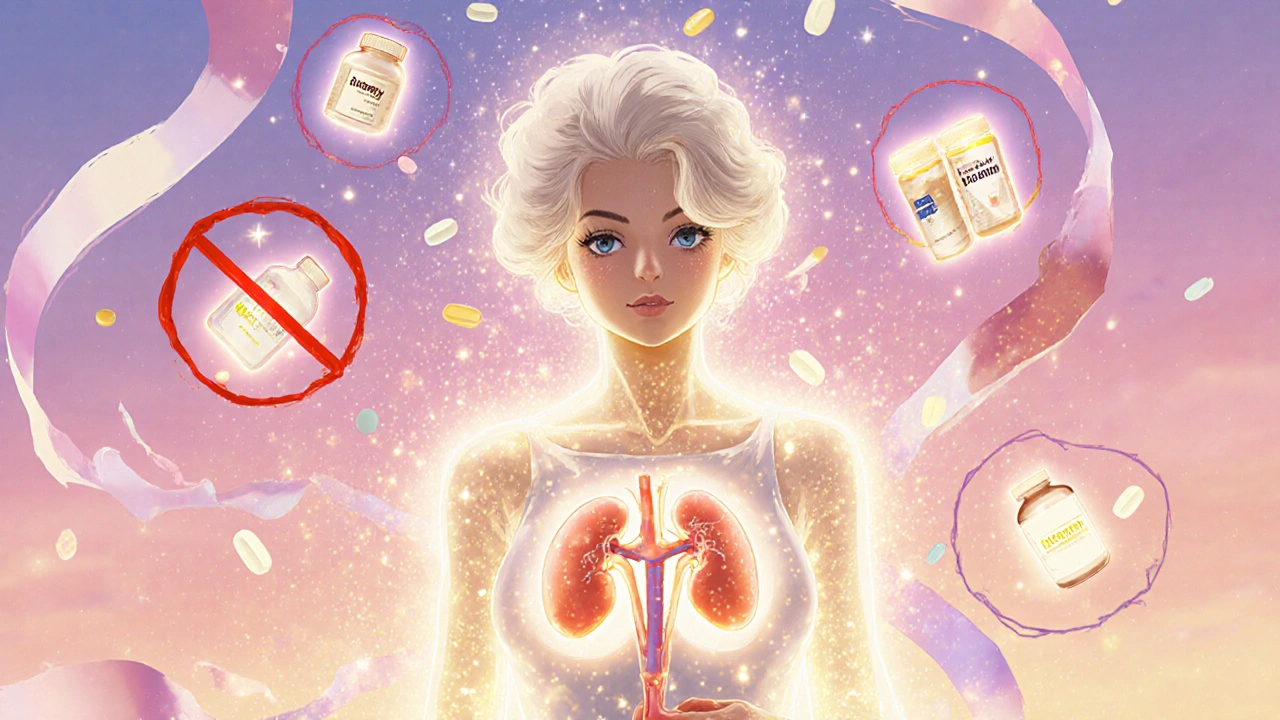
Polypharmacy Risks: How Taking Too Many Drugs Can Hurt You
When you’re taking polypharmacy, the use of multiple medications at the same time, often for different conditions. Also known as multiple drug therapy, it’s common in older adults and people with chronic illnesses—but it’s not harmless. The more pills you swallow, the higher the chance something will go wrong. It’s not just about side effects—it’s about how those drugs interact with each other in your body, sometimes in ways no doctor ever predicted.
Take drug interactions, when two or more medications change how each other works in your body. For example, mixing warfarin with amiodarone can turn a life-saving blood thinner into a bleeding hazard. Or combining yohimbe with blood pressure meds can spike your heart rate to dangerous levels. These aren’t rare cases—they show up in ER visits every day. Even over-the-counter supplements like yohimbe or herbal remedies can trigger reactions you didn’t know were possible.
medication safety, the practice of using drugs in a way that minimizes harm and maximizes benefit isn’t just about taking the right dose—it’s about knowing what you’re taking and why. Many people don’t realize they’re on a risky combo because each doctor only sees one piece of the puzzle. A cardiologist prescribes one thing, a rheumatologist another, and your primary care doc might not even know about the supplements you’re taking. That’s where multiple medications, three or more drugs taken daily, often without clear coordination become a silent threat. Studies show that people on five or more medications have a 50% higher risk of hospitalization due to adverse reactions. And it’s not just seniors—people with diabetes, chronic pain, or heart disease are especially vulnerable.
Some of the most dangerous combinations you’ll find in our posts include amiodarone, digoxin, and warfarin together—a deadly triad. Others involve common drugs like metformin causing gut issues that push patients to take more meds for relief, creating a cycle. Even something as simple as grapefruit with immunosuppressants can cause organ rejection. These aren’t hypotheticals. They’re real stories from people who trusted their prescriptions but didn’t know the hidden risks.
You don’t need to stop all your meds. But you do need to ask the right questions: Why am I on this many? Are any of these drugs doing the same thing? Is there a safer alternative? Are any of these linked to known interactions? The answers aren’t always easy to find—but they’re worth digging for. Below, you’ll find real, practical guides that break down exactly how these risks play out in everyday life. From how statins cause muscle cramps to why expired meds might still work, these posts give you the tools to spot trouble before it hits.