
Heart disease kills more women than all forms of cancer combined. Yet most women still think of it as a man’s problem. If you’ve ever brushed off unusual fatigue, jaw pain, or sudden nausea as stress or indigestion, you’re not alone. But those could be your body’s quiet signals that something serious is happening - and time is running out.
What Heart Disease Looks Like in Women
The classic image of a heart attack - a man clutching his chest, screaming in pain - is misleading. That’s the male version. For women, it often looks nothing like that.
According to the National Heart, Lung, and Blood Institute, only about 65% of women having a heart attack report chest pain. That means nearly 4 in 10 women have no chest pain at all. Instead, they feel extreme tiredness that doesn’t go away, even after rest. Some describe it as being too worn out to make their bed or carry groceries. This isn’t just being tired - it’s vital fatigue, a term used by doctors to describe exhaustion so deep it interferes with daily life. Studies show this symptom appears in 71% of women before a heart attack.
Other common signs include:
- Shortness of breath during normal activities - like walking to the mailbox or climbing stairs
- Pain or pressure in the jaw, neck, upper back, or arms - often on both sides
- Nausea, vomiting, or stomach pain mistaken for food poisoning or flu
- Dizziness, cold sweats, or feeling faint
- Sleep disturbances or waking up gasping for air
These symptoms can come and go over days or weeks. Many women dismiss them as aging, anxiety, or overwork. But when they cluster together - especially if you’re over 50, post-menopausal, or have a history of pregnancy complications - they’re red flags.
Why Women’s Hearts Are Different
Women’s hearts aren’t just smaller versions of men’s. They function differently. Arteries are narrower. Hormones change how blood vessels react. And after menopause, the protective effect of estrogen drops, increasing risk dramatically.
One condition that affects women far more than men is microvascular disease. This isn’t a blocked main artery like in typical heart attacks. Instead, the tiny vessels that feed the heart muscle become inflamed or spasm. You won’t see blockages on a standard angiogram. But you’ll feel it: unexplained fatigue, breathlessness, chest tightness during stress. It’s often misdiagnosed as anxiety or fibromyalgia.
Another rare but dangerous condition is SCAD - spontaneous coronary artery dissection. It happens when a tear forms in a heart artery without trauma or plaque buildup. It’s most common in women under 50, especially those who are pregnant or recently gave birth. SCAD accounts for up to 40% of heart attacks in women under 50, yet most doctors don’t test for it unless they specifically suspect it.
Then there’s Takotsubo syndrome, also called broken heart syndrome. It’s triggered by extreme emotional or physical stress - the death of a loved one, a divorce, even a surprise party. The heart’s left ventricle temporarily balloons out, mimicking a heart attack. Women make up 90% of cases. While often reversible, it can be fatal if not treated quickly.
When Women Are Most at Risk
Age isn’t the only factor. Certain life events dramatically raise a woman’s long-term heart risk:
- Preeclampsia during pregnancy - increases heart disease risk by 80%
- Gestational diabetes - doubles the chance of developing type 2 diabetes, a major heart disease driver
- Early menopause (before 45) - removes estrogen’s protective effect and raises blood pressure and cholesterol
- Autoimmune diseases like lupus or rheumatoid arthritis - cause chronic inflammation that damages arteries
- Polycystic ovary syndrome (PCOS) - linked to insulin resistance, high blood pressure, and abnormal cholesterol
Even if you’re young and active, these conditions matter. A 38-year-old woman with a history of preeclampsia has the same heart risk as a 55-year-old woman without it. That’s why your OB-GYN should be talking to you about heart health - not just your cardiologist.
Why Diagnosis Is So Often Delayed
Women are seven times more likely than men under 55 to be sent home from the ER with a misdiagnosis. Why?
First, symptoms don’t match the textbook. Doctors are trained to look for chest pain and EKG changes - things men show more clearly. When a woman comes in with nausea and fatigue, she’s more likely to be told she has the flu, acid reflux, or anxiety.
A 2022 study in JAMA Internal Medicine found that 68% of emergency room cases involving women with cardiac symptoms were initially attributed to psychological causes. Even when tests were ordered, they were often delayed or less aggressive than for male patients.
And then there’s the silent killer: silent heart attacks. About 34% of women over 65 have heart attacks with no obvious symptoms. Their only sign might be sudden weakness or confusion. Many don’t even realize they had one - until years later, when damage shows up on an echocardiogram.
What You Can Do to Protect Yourself
Prevention isn’t about taking a pill. It’s about knowing your body and asking the right questions.
- Track your symptoms. Keep a simple journal: when you feel tired, short of breath, or have unusual pain. Note what you were doing, how long it lasted, and whether rest helped. This is powerful data for your doctor.
- Know your numbers. Blood pressure under 120/80. LDL cholesterol under 100. Fasting blood sugar under 100. If you’re over 40, get these checked yearly. If you’ve had pregnancy complications, start earlier.
- Ask about the Corus CAD test. This blood test analyzes gene expression to detect blocked arteries in women with greater accuracy than traditional stress tests. It’s especially useful if you have symptoms but normal EKGs or no chest pain.
- Seek care at a Women’s Cardiovascular Center. Hospitals with this accreditation have protocols designed for women’s symptoms. Studies show women treated there are 22% more likely to survive a heart attack.
- Don’t wait for chest pain. If you have three or more of these symptoms - fatigue, shortness of breath, nausea, jaw/back pain, dizziness - get checked immediately. Don’t call your doctor. Go to the ER.
The Bigger Picture: Why This Matters
Heart disease kills 307,000 American women every year - one in five. Globally, it claims 8.9 million female lives annually. That’s more than breast cancer, lung cancer, and Alzheimer’s combined.
Yet only 34% of cardiovascular research funding targets women’s specific needs. Women make up just 38% of participants in major heart studies - even though they’re 51% of the population. That’s why treatments developed on men don’t always work for women.
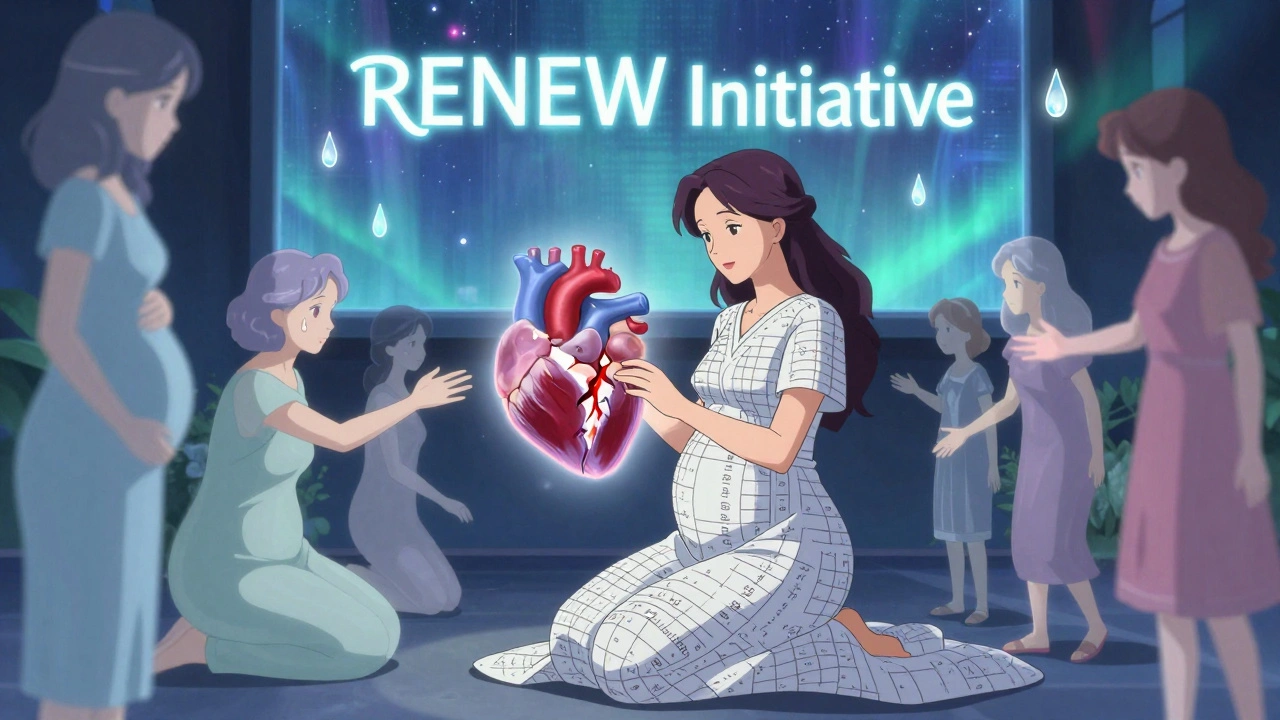
Change is happening. The NIH launched the RENEW initiative in 2023, investing $150 million into sex-specific heart research. The FDA approved the first diagnostic tool validated for women in 2020. And over 140 hospitals now have certified Women’s Cardiovascular Centers.
But awareness is still lagging. Only 44% of women know heart disease is their top killer. The goal is 70% by 2030. That starts with you.
If you’re reading this, you’re already ahead. Now share it. Talk to your mother, your sister, your best friend. Because the next life saved might be hers.
Do women have heart attacks without chest pain?
Yes. Nearly 4 in 10 women who have a heart attack don’t experience chest pain at all. Instead, they may have extreme fatigue, nausea, jaw or back pain, shortness of breath, or dizziness. These are often mistaken for other conditions, leading to dangerous delays in treatment.
Is heart disease more dangerous for women than men?
After a heart attack, women are more likely to die within the first year than men, especially if they’re under 55. Women also face higher risks of complications like heart failure, stroke, and repeat events. This is partly because their symptoms are different, diagnosis is delayed, and many heart treatments were developed based on male-only studies.
Can pregnancy affect my future heart health?
Absolutely. Conditions like preeclampsia, gestational diabetes, and preterm delivery are strong warning signs of future heart disease. Preeclampsia alone increases your risk by 80%. Even if you feel fine after delivery, you should discuss your pregnancy history with your doctor - it’s a critical part of your long-term heart risk profile.
What’s the best test for heart disease in women?
There’s no single test, but the Corus CAD blood test is the only one validated specifically for women. It’s more accurate than traditional stress tests for detecting blocked arteries in women, especially those without chest pain. For microvascular disease, doctors may use advanced imaging like cardiac MRI or PET scans. Always ask: "Could this be something specific to women?"
How do I know if my fatigue is normal or a sign of heart trouble?
Normal fatigue improves with rest. Vital fatigue doesn’t. If you’re too tired to do simple things - like making your bed, walking your dog, or carrying groceries - and it lasts more than two weeks, it’s not normal. Especially if it’s paired with shortness of breath, dizziness, or unexplained nausea, get checked. This symptom precedes 78% of female heart attacks.
Should I get a stress test if I have no symptoms?
Not unless you have risk factors. But if you’ve had preeclampsia, early menopause, PCOS, or autoimmune disease - or if you’re over 50 and have high blood pressure or cholesterol - talk to your doctor about screening. Prevention is better than waiting for symptoms. Ask about the Corus CAD test or a coronary calcium scan if you’re at higher risk.


Ali Bradshaw
Been dealing with unexplained fatigue for months. Thought it was just stress from work. Then I started tracking my symptoms like the article said - turned out I had microvascular disease. No chest pain, just constant exhaustion. Took me three doctors and two ER visits to get it right. If you're feeling 'off' for more than two weeks, don't brush it off. Your body isn't lying.
Also, if you're over 40 and had any pregnancy complications, demand a Corus CAD test. It's not expensive, and it saved my life.
Laura Saye
The epistemological gap in cardiovascular medicine is staggering. We’ve built diagnostic paradigms on male physiological norms, then applied them universally - a form of ontological colonialism. Women’s somatic expressions of ischemia are not anomalies; they are data points systematically excluded from clinical training and research funding.
It’s not just about symptoms. It’s about whose pain is deemed legitimate. The fact that 68% of women’s cardiac ER presentations are misattributed to psychological causes reveals a deeper pathology: the medical establishment’s inability to perceive female embodiment as medically significant without male validation.
Michael Dioso
So let me get this straight - women can’t have heart attacks unless they scream like a horror movie? Meanwhile, men get diagnosed with a stubbed toe and a $20,000 cardiac catheterization.
And now we’re supposed to believe that 40% of women don’t have chest pain? I’ve seen more chest pain in my cat than I’ve seen in half the women I know. This feels like medical propaganda dressed up as science.
Next they’ll say men don’t get breast cancer and we’ll all be shocked.
Stephanie Bodde
THIS. I had SCAD after my second baby. No chest pain. Just this weird tightness and feeling like I couldn’t breathe. ER doc said it was anxiety. I cried in the parking lot. Two days later I collapsed. Don’t wait. Don’t doubt yourself. You know your body best. ❤️
Krishan Patel
It is a moral failing of Western medicine that women are subjected to diagnostic negligence predicated upon patriarchal assumptions regarding physiological norms. The NIH’s RENEW initiative, while commendable, is a post-hoc gesture. The real sin lies in decades of institutionalized epistemic injustice - where female pain was dismissed as hysteria, and now, when it is finally acknowledged, it is monetized through expensive proprietary tests like Corus CAD.
True justice would be universal access to cardiac imaging and mandatory training in sex-specific pathophysiology - not corporate-sponsored diagnostics sold to hospitals as silver bullets.
luke newton
Oh wow, another article telling women they’re too weak to recognize their own heart attack. Let me guess - the next one will say men don’t cry because they’re ‘emotionally repressed’ and women are ‘too sensitive’? Classic.
You know what’s worse than heart disease? Being told you’re dying because you didn’t read a 10-page blog post about ‘vital fatigue.’ I’ve had three heart attacks. All of them had chest pain. All three men. Guess what? I’m still here. Stop scaring women into panic with half-baked science.
Carole Nkosi
Women aren’t just ‘different.’ We’re erased. The entire medical system is built on the assumption that the male body is the default human. When your symptoms don’t fit the mold, you’re not sick - you’re inconvenient.
I had Takotsubo after my divorce. They told me to ‘take a vacation.’ I spent six months in cardiac rehab. No one asked me if I was okay. They asked if I was ‘emotionally stable.’
It’s not broken heart syndrome. It’s broken system syndrome.
Manish Shankar
As a practicing physician in India, I have witnessed firsthand the devastating consequences of delayed diagnosis in women presenting with atypical cardiac symptoms. The cultural stigma surrounding the discussion of bodily discomfort, particularly among post-menopausal women, compounds the clinical challenge.
It is imperative that primary care providers, regardless of gender, be trained to recognize the constellation of symptoms described herein - fatigue, jaw discomfort, and unexplained nausea - not as psychosomatic or age-related, but as cardinal indicators of ischemic pathology. The absence of chest pain must never preclude cardiac evaluation.
Furthermore, the integration of pregnancy-related complications into long-term cardiovascular risk stratification must become standard protocol in obstetric follow-up care. This is not merely medical advice - it is an ethical imperative.
sean whitfield
Heart disease kills more women than cancer? Wow. And I thought vaccines were fake.
Next they’ll say the moon landing was real and gravity is a theory.
Also, I’ve never heard of Corus CAD. Probably a drug company scam. I’ll just eat kale and pray. 🤷♂️