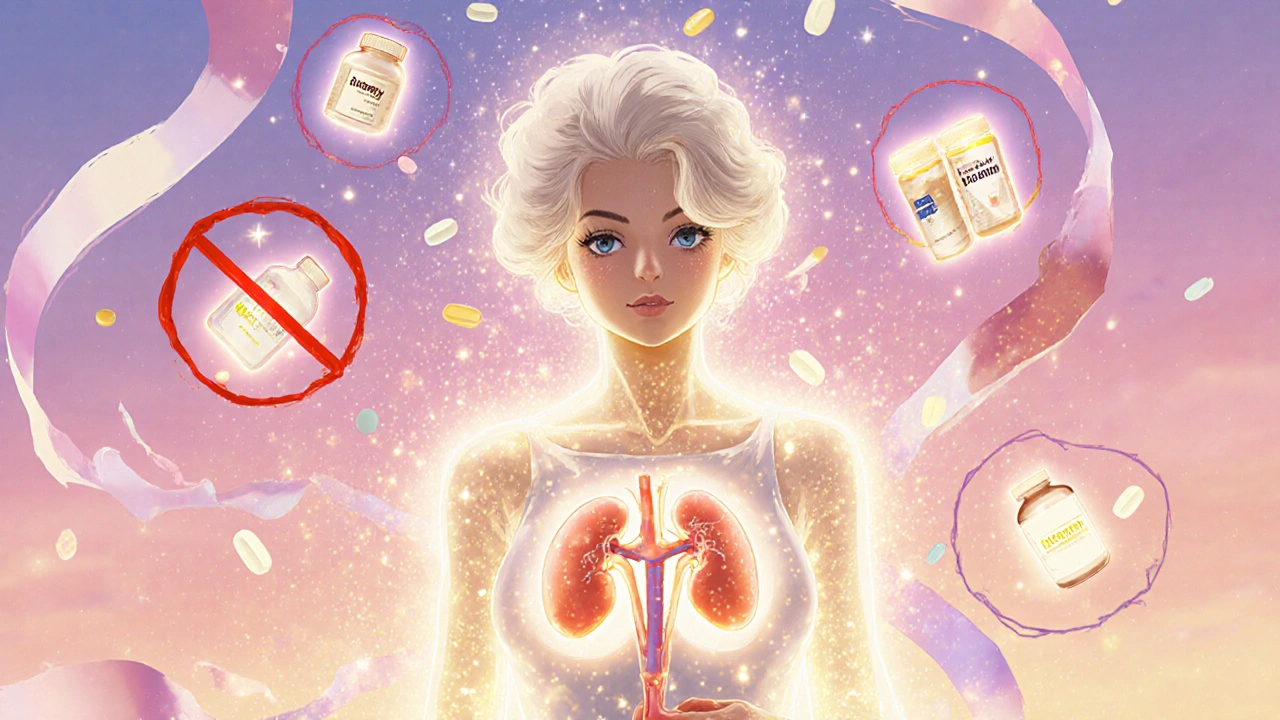
Medication Side Effects in Seniors: What You Need to Know
When older adults take multiple medications, their bodies respond differently — and not always safely. Medication side effects in seniors, harmful or unintended reactions to drugs that are more common and severe in older adults due to changes in metabolism, kidney function, and brain sensitivity. Also known as adverse drug reactions in the elderly, these aren’t just annoyances — they’re a leading cause of hospital stays and falls. As people age, their liver and kidneys don’t clear drugs as quickly. That means even standard doses can build up to dangerous levels. A pill that’s fine for a 40-year-old might overload an 80-year-old’s system.
Polypharmacy, the use of five or more medications at once, often prescribed by different doctors without full coordination. Also known as drug burden, it’s a major risk factor for seniors. Think of it like stacking too many layers on a weak roof — eventually, something gives. Common offenders include blood pressure meds, diabetes drugs, painkillers, and antidepressants. The problem isn’t just one drug — it’s how they interact. For example, statin muscle cramps, a frequent complaint in older adults taking cholesterol-lowering pills, can be mistaken for normal aging, but they might signal muscle damage. Or metformin GI side effects, diarrhea and nausea from diabetes meds, which often lead seniors to quit treatment, even though the extended-release version cuts those problems by up to 40%.
Some side effects are hidden. Dizziness from blood pressure meds? That’s not just old age — it’s a fall risk. Confusion from anticholinergics? That’s not dementia — it’s a drug reaction. And herbal supplements like yohimbe, a popular but dangerous weight-loss or libido booster, can spike blood pressure when mixed with heart meds, leading to ER visits. Even something as simple as grapefruit can turn a safe dose of an immunosuppressant into a toxic one.
What makes this worse? Many seniors don’t tell their doctors about all the pills they take — including over-the-counter pain relievers, sleep aids, or supplements bought online. They think if it’s sold at the pharmacy, it’s safe. But that’s not true. And when side effects show up, they’re often blamed on aging instead of the drugs.
This collection of articles cuts through the noise. You’ll find real, practical advice on how to spot dangerous reactions, reduce risks without stopping essential meds, and talk to your doctor about alternatives. From how medication side effects in seniors differ from younger adults, to why certain drugs like sulfonamides or amiodarone are especially risky, to how to use medical alert bracelets or generic copay programs to stay safe and save money — this is the guide you need.