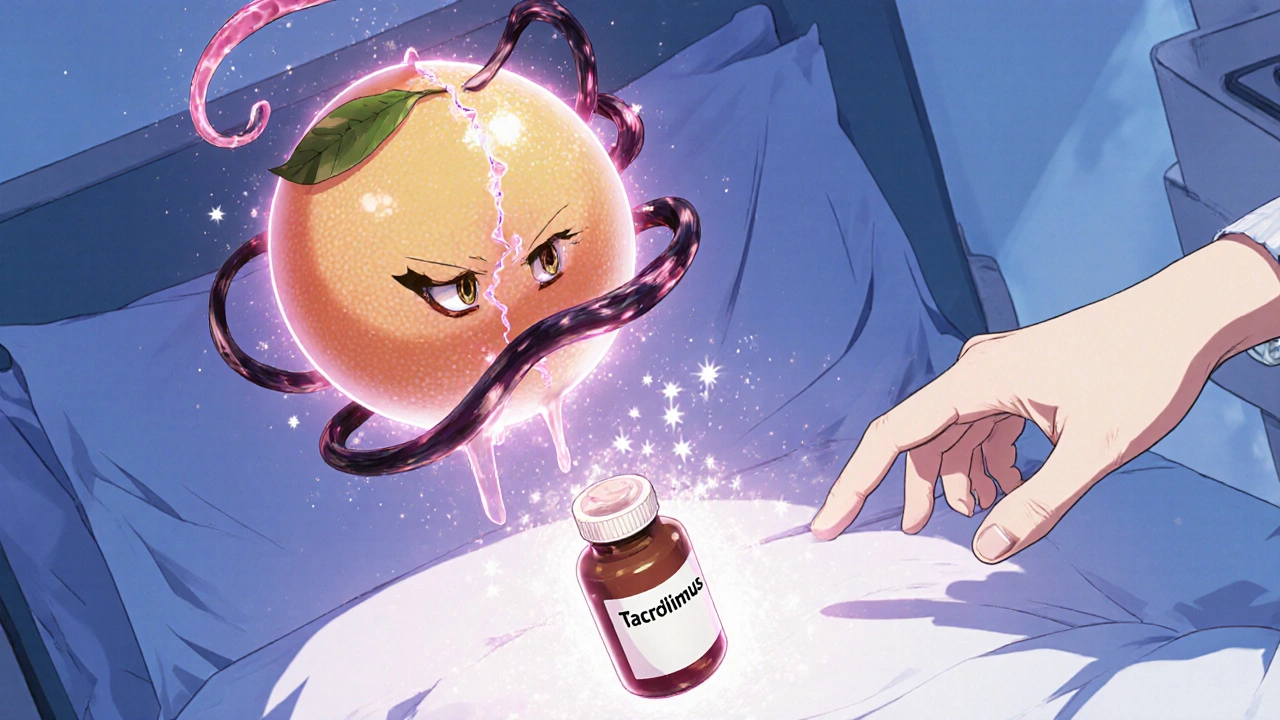
Tacrolimus: What It Is, How It Works, and What You Need to Know
When your body accepts a new organ, it doesn’t always see it as a gift—it sees it as an invader. That’s where tacrolimus, a potent immunosuppressant drug used to prevent organ rejection. Also known as FK506, it works by quietly shutting down the immune cells that would otherwise attack your new kidney, liver, or heart. Without it, transplant patients would face high risks of rejection, even with a perfect match. It’s not a cure, but it’s one of the most reliable tools doctors have to keep transplanted organs alive long-term.
Tacrolimus doesn’t work alone. It’s often paired with other drugs like corticosteroids, anti-inflammatory medications that reduce immune activity or mycophenolate, another immunosuppressant that blocks white blood cell growth. But mixing it with the wrong meds can be dangerous. For example, some antibiotics, antifungals, and even grapefruit juice can spike tacrolimus levels in your blood, leading to kidney damage or nerve problems. On the flip side, seizure meds or St. John’s wort can make it less effective, putting your transplant at risk. That’s why regular blood tests aren’t optional—they’re life-saving.
It’s not just about the dose. Timing matters. You take it twice a day, usually 12 hours apart, and always the same way—on an empty stomach or always with food. Skip a dose? Don’t double up. Miss too many? Your body might start rejecting the organ without warning. Side effects like tremors, headaches, or high blood pressure are common, but they often get better as your body adjusts. Still, if you notice swelling, fever, or unusual fatigue, call your doctor. Those could be signs of infection or toxicity.
People on tacrolimus aren’t just patients—they’re careful planners. They track their meds, avoid certain foods, and learn to recognize early warning signs. The posts below dive into real-world issues: how tacrolimus interacts with other drugs, why blood levels need constant checking, what to do when side effects hit, and how to stay safe without living in fear. Whether you’re a transplant recipient, a caregiver, or just trying to understand how this drug keeps people alive, you’ll find clear, no-fluff answers here.