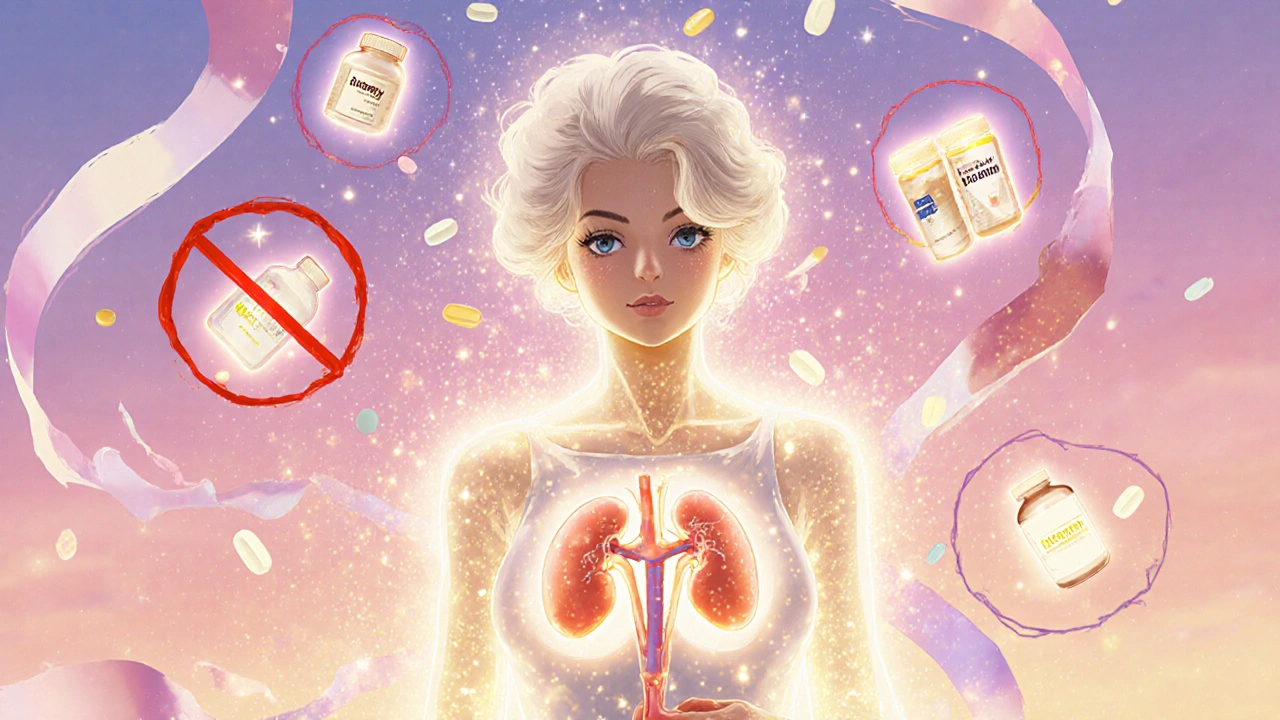
Aging and Medications: What Changes and What You Need to Know
When you get older, your body doesn’t just slow down—it starts processing medications, substances used to treat or manage health conditions. Also known as drugs, it changes how pills are absorbed, broken down, and cleared from your system. That’s why a dose that was fine at 40 can cause dizziness, confusion, or falls at 70. It’s not that the medicine is weaker or stronger—it’s that your liver, kidneys, and even your gut are working differently. This isn’t theoretical. Studies show seniors take nearly 4 times more prescriptions than younger adults, and over 40% of those over 65 are on five or more meds at once—a situation called polypharmacy, the use of multiple medications by a patient, often leading to increased risk of adverse effects.
The real danger isn’t just the number of pills—it’s how they interact. A blood pressure drug might make your diabetes med less effective. An antacid could block your heart medication from being absorbed. Even something as simple as grapefruit juice can turn a safe dose into a toxic one. And it’s not just prescriptions. herbal supplements, natural products used for health purposes, often without medical oversight. Also known as nutraceuticals, they’re not regulated like drugs, yet they can clash dangerously with your pills. Yohimbe, for example, spikes blood pressure when mixed with hypertension meds. St. John’s wort can make antidepressants or blood thinners useless. Most seniors don’t tell their doctors about these because they think "natural" means "safe." It doesn’t.
Side effects change too. What’s a mild stomach upset in a 30-year-old can become a dangerous fall risk in someone 80. Metformin might cause diarrhea in anyone, but in older adults, that leads to dehydration, kidney stress, and hospital visits. Statins cause muscle pain—common enough—but in seniors, it’s often mistaken for arthritis or just "getting old," when it could be muscle breakdown. And then there’s the brain. Many common meds—antihistamines, sleep aids, even some heart drugs—can fog thinking, worsen memory, or trigger delirium. These aren’t side effects you can ignore. They’re red flags.
It’s not about stopping meds. It’s about adjusting them. Sometimes a lower dose, a different timing, or switching to extended-release versions like metformin XR cuts side effects by up to 40%. Sometimes it’s dropping a pill that’s no longer needed—like an old antibiotic or a vitamin that doesn’t help. And sometimes, it’s adding something non-drug: physical therapy for pain instead of opioids, CBT for anxiety instead of benzodiazepines. The goal isn’t fewer pills—it’s better ones. Safer ones. Ones that still work without making you worse.
What you’ll find below are real, practical breakdowns of exactly how aging changes how your body handles drugs. From why generic versions behave differently in seniors to how common meds like atenolol or amiodarone become riskier with age. You’ll see what tests to ask for, what to watch for, and how to talk to your doctor so you’re not just surviving on meds—you’re living well with them.