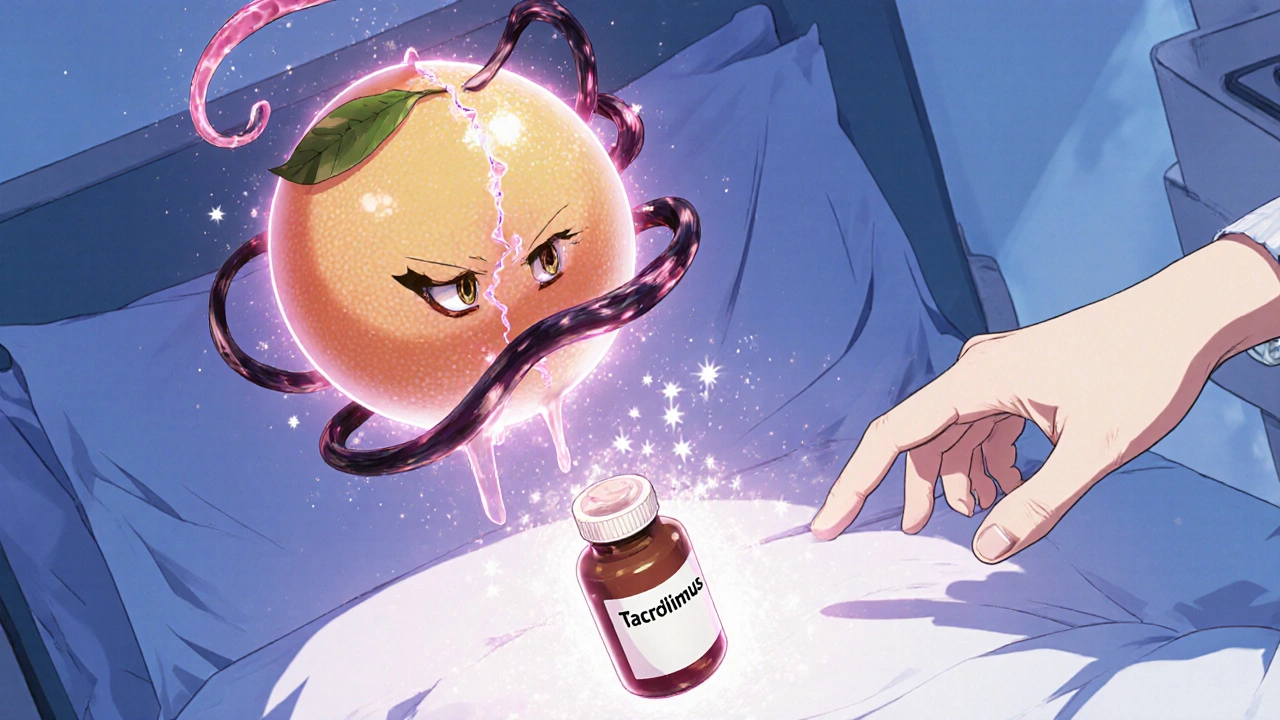
Grapefruit Interaction: What You Need to Know About This Dangerous Drug Reaction
When you eat grapefruit, a citrus fruit known for its tart flavor and high vitamin C content. Also known as pomelo hybrid, it can interfere with how your body processes many common medications, sometimes with life-threatening results. This isn’t just a warning on a label—it’s a real, measurable change in how drugs enter your bloodstream. One grapefruit or one glass of juice can trigger effects that last over 24 hours, even if you take your pill hours later.
The problem isn’t the fruit itself, but how it blocks an enzyme called CYP3A4 in your gut. This enzyme normally breaks down drugs before they enter your blood. When it’s shut down, too much of the drug gets absorbed. For some meds, that means overdose levels. For others, it means the drug doesn’t work at all. CYP3A4, a key liver and intestinal enzyme responsible for metabolizing over half of all prescription drugs is the silent player here. And drug interactions, harmful changes in how a medication behaves when mixed with food, other drugs, or supplements like this one are among the most common causes of emergency hospital visits.
It’s not just grapefruit. Seville oranges, pomelos, and some tangelos do the same thing. Regular oranges and lemons? Safe. But if you’re on blood pressure meds like felodipine, cholesterol drugs like atorvastatin, anti-anxiety pills like buspirone, or heart rhythm drugs like amiodarone, you’re at risk. Even some cancer drugs, immunosuppressants, and erectile dysfunction pills can become dangerous. The FDA has flagged over 85 medications with serious grapefruit interaction warnings. And no, it doesn’t matter if you drink it in the morning and take your pill at night—this effect lingers.
You don’t need to stop eating fruit. You just need to know which ones to avoid with your meds. If you take any prescription drug regularly, check the label or ask your pharmacist: "Does this interact with grapefruit?" It’s a five-second question that could save your life. Many people think they’re safe if they only have grapefruit once a week. But the enzyme-blocking effect sticks around for days. One serving is enough to cause trouble.
Below, you’ll find real-world examples of how this interaction plays out in daily life—from heart meds gone wrong to cholesterol drugs losing their power. You’ll see what other foods and supplements behave the same way, and how to spot early signs of trouble. This isn’t theoretical. People end up in the ER because they didn’t know. You won’t be one of them.