
Every year, the FDA issues over 1,200 safety alerts about medications - some about dangerous side effects, others about contaminated batches or recalls that could put lives at risk. If you’re a patient taking prescription drugs, a pharmacist managing inventory, or a caregiver helping a loved one, FDA drug safety alerts aren’t just useful - they’re essential. The problem? Most people don’t know how to get them, or worse, they think they’re already signed up. The truth is, these alerts don’t come automatically. You have to subscribe. And once you do, you’ll know before your pharmacist does if your medication has been pulled from shelves.
What FDA Drug Safety Alerts Actually Cover
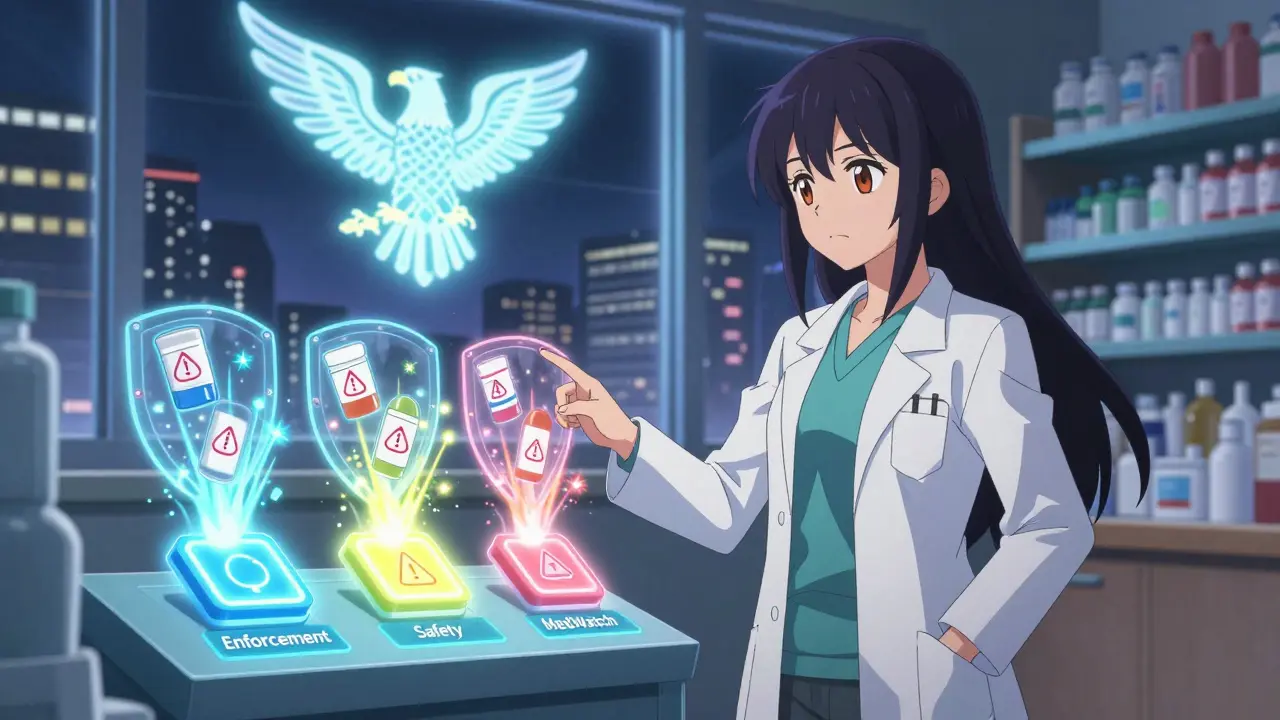
The FDA doesn’t just send out generic warnings. Their alert systems are split into three distinct services, each with its own purpose. Understanding the difference is the first step to using them right.- Enforcement Report Subscription Service sends email alerts when a drug is officially recalled. This includes contaminated pills, mislabeled packaging, or products found to be ineffective. Think of this as the FDA’s recall radar.
- Drug Safety Communications focuses on safety issues that may not involve a recall - like new warnings about heart risks, liver damage, or dangerous interactions. These are often issued after new data comes in from doctors or patient reports.
- MedWatch Safety Alerts is the FDA’s broader system that includes both recalls and safety updates, plus reports of adverse events. It’s the most comprehensive, and it’s also available via Twitter and RSS feed for tech-savvy users.
Here’s what matters: if your medication is pulled from stores, you’ll get an Enforcement Report. If it’s found to cause rare but serious side effects, you’ll get a Drug Safety Communication. If you want everything - including public reports of bad reactions - then MedWatch is your go-to.
How to Subscribe - Step by Step
Subscribing is free, takes less than two minutes, and only needs your email. But you have to do it for each system separately.To get Enforcement Reports:
- Go to fda.gov/enforcement-report-subscription
- Enter your email address
- Select "Drugs" under product categories (you can pick more than one)
- Choose daily or weekly delivery
- Add up to five custom keywords - like "insulin," "metformin," or "peanut" if you’re avoiding allergens
- Click "Subscribe"
To get Drug Safety Communications:
- Visit fda.gov/drugs/drug-safety-and-availability/drug-safety-communications
- Scroll down to the bottom of the page
- Click "Sign up for email alerts"
- Enter your email and confirm
To get MedWatch alerts:
- Go to fda.gov/medwatch-email-list
- Fill out the form with your name and email
- Check the box for "MedWatch Safety Alerts"
- Submit
Pro tip: Use different email addresses or filters if you’re getting too many alerts. Many pharmacists use a dedicated inbox like "[email protected]" to keep things organized.
Why Keyword Alerts Are a Game-Changer
The biggest upgrade since 2022? The ability to use custom keywords. Before this, you’d get every drug recall - even ones you didn’t care about. Now, you can filter for exactly what matters to you.For example:
- If you take lisinopril, set a keyword for that. You’ll only get alerts about that specific blood pressure med, not every antibiotic recall.
- If you’re managing a child with a peanut allergy, set "peanut" as a keyword. You’ll be notified if any over-the-counter medicine, supplement, or even liquid formulation contains hidden peanut oil.
- If you’re a pharmacist stocking insulin, set that keyword. You’ll know immediately if a batch is recalled - no need to check the website daily.
According to user feedback from Reddit’s r/Pharmacy community, 89% of subscribers who use keywords say they’ve avoided a dangerous medication error because of it. One user reported catching a contaminated insulin batch before it reached patients - thanks to a keyword alert.
What the FDA Doesn’t Tell You (But You Need to Know)
The system works well - but it’s not perfect. Here are the hidden flaws most people don’t realize until it’s too late.Alert overload is real. If you sign up for all three systems without filtering, you’ll get 3-5 emails a week. That’s not spam - it’s noise. Many subscribers eventually turn them off because they feel overwhelmed. The fix? Start with just one system - Drug Safety Communications - and add others only if you need them.
Not all alerts are urgent. The FDA doesn’t prioritize them. A recall of a rarely used drug gets the same email as a warning about a top-selling diabetes medication. That’s why 63% of users say they ignore alerts they don’t understand. The FDA is working on a machine learning upgrade in 2025 to fix this - but until then, you have to judge the risk yourself.
No mobile app yet. Unlike commercial services like MedWatcher, the FDA has no app. You can’t get push notifications. If you’re on the go, you won’t know about a recall unless you check your email. That’s a problem for busy nurses or caregivers who don’t sit at desks all day.
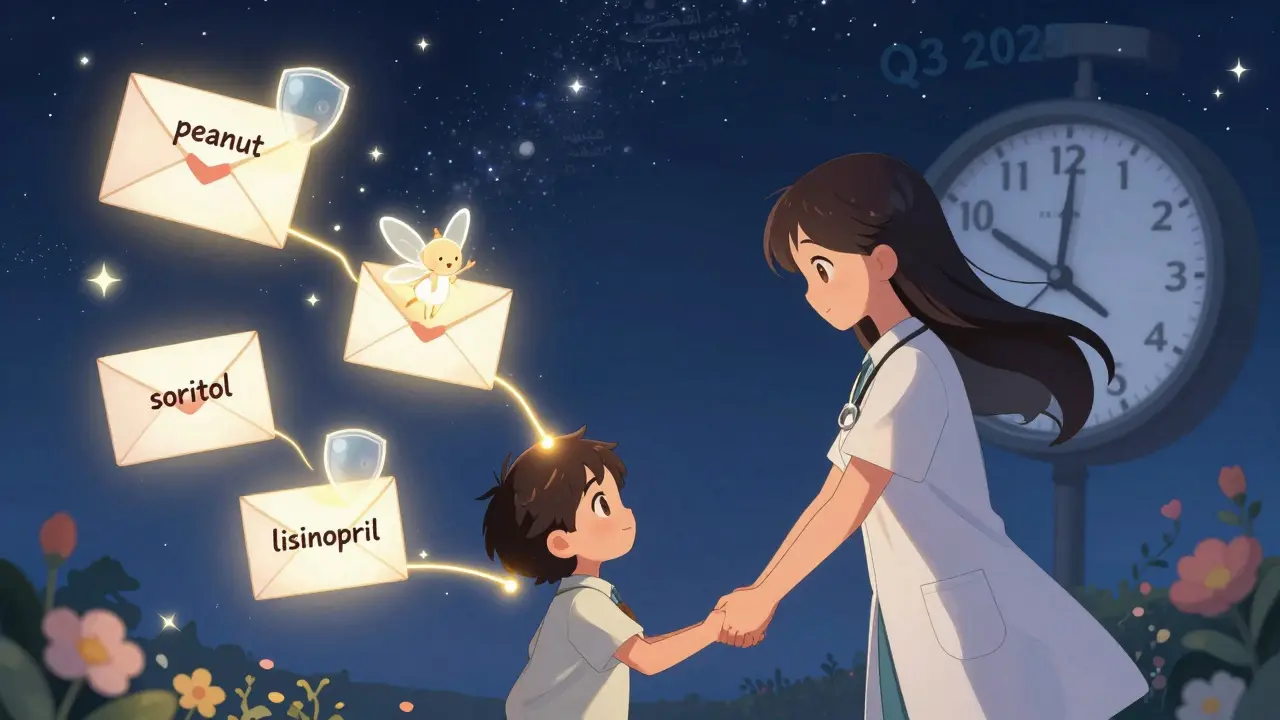
Only English for now. Over 20% of the U.S. population speaks Spanish at home. But only 12% of FDA alerts are translated. Spanish-language alerts are coming in Q3 2025 - but until then, non-English speakers are at higher risk of missing critical updates.
Who Should Be Subscribed - And Who Isn’t
You might think this is only for doctors or pharmacists. It’s not.Patients - especially those on long-term meds like blood thinners, antidepressants, or diabetes drugs - should be subscribed. A 2022 AMA survey found that 72% of doctors changed how they treated patients after reading an FDA alert. If your doctor doesn’t know about a new risk, you won’t either.
Family caregivers - if you’re managing meds for an elderly parent or a child with special needs, you’re the frontline. One mother in Ohio told the FDA she caught a contaminated children’s cough syrup because of a "sorbitol" keyword alert. That ingredient, she learned, could trigger severe reactions in her son.
Pharmacists and nurses - 82% of hospitals with over 200 beds subscribe. But only 29% of retail pharmacies do. That’s dangerous. If your local pharmacy doesn’t check FDA alerts, they might still dispense a recalled drug.
Pharmaceutical workers - 68% of drug manufacturers subscribe. They need to know when a competitor’s product is recalled - it affects their own supply chains and liability.
What’s Coming in 2025
The FDA isn’t resting. Here’s what’s next:- Unified alert system: By late 2025, the three separate systems will merge into one dashboard. No more juggling three emails.
- 10 keywords per account: Right now you can only set five. That’s doubling to ten - giving you more control.
- Mobile app: Scheduled for Q2 2025. You’ll get push notifications for critical alerts.
- Spanish and other languages: Full Spanish translation by Q3 2025, with plans for Mandarin, Vietnamese, and Arabic later.
The FDA has promised this update will reduce alert fatigue by 30%. If they deliver, this could become the gold standard for drug safety monitoring worldwide.
What to Do Right Now
Don’t wait for the upgrades. Start today.- Go to fda.gov/enforcement-report-subscription and sign up for Enforcement Reports. Pick "Drugs" and add your top 2-3 medication names as keywords.
- Go to fda.gov/drugs/drug-safety-and-availability/drug-safety-communications and sign up for Drug Safety Communications.
- Set up a daily or weekly reminder to check your inbox for FDA emails. Treat them like bank alerts - they’re that important.
- Share the link with your family, your pharmacist, and your doctor. Most don’t know it exists.
There’s no cost. No signup fees. No credit card needed. Just your email and five minutes. And if you’ve ever taken a pill - you owe it to yourself to be informed.
Do I need to pay to get FDA drug safety alerts?
No, all FDA drug safety alert subscriptions are completely free. You only need an email address to sign up. The FDA does not charge for any of its alert services, including Enforcement Reports, Drug Safety Communications, or MedWatch. Be careful of third-party websites or apps that claim to offer "FDA alerts" for a fee - they’re not official.
How often will I get alerts?
It depends on the system and your settings. Enforcement Reports can be set to daily or weekly. Most subscribers get 1-3 emails per week. Drug Safety Communications are sent only when new safety information is released - that could be once a month or several times a week, depending on what’s happening. MedWatch alerts are more frequent since they include all reports. You can reduce volume by using keywords and only subscribing to the services you need.
What if I miss an alert? Can I look up past ones?
Yes. All past alerts are archived and publicly available. For Enforcement Reports, visit fda.gov/safety/enforcement-reports. For Drug Safety Communications, go to fda.gov/drugs/drug-safety-and-availability/drug-safety-communications. You can search by drug name, date, or keyword. These archives are updated daily and are the most reliable source for official safety information.
Are FDA alerts faster than my pharmacy’s system?
Yes, by a wide margin. An independent 2023 study found FDA alerts are issued within 4.2 hours of a recall being confirmed. Most pharmacy systems rely on third-party distributors, which can take 8-24 hours to update. In emergencies - like a contaminated batch of insulin - that delay can be life-threatening. FDA alerts are the first official source.
Can I get these alerts in Spanish?
Not yet, but it’s coming. As of early 2026, only English-language alerts are available. However, the FDA has confirmed that Spanish-language versions of all alerts will be rolled out in Q3 2025. If you’re a Spanish speaker, you can sign up now and check the FDA’s website periodically for updates. They also plan to expand to Mandarin, Vietnamese, and Arabic later in 2025.


Keith Harris
Let me guess-you’re one of those people who thinks the FDA actually gives a damn about you. Newsflash: they’re a bureaucratic sausage factory with more lawyers than scientists. I’ve been tracking this since 2018. Half the 'safety alerts' are just PR stunts to cover up congressional funding cuts. And don’t even get me started on the keyword system-how many times have you gotten an alert for 'peanut' when it’s actually about soy lecithin in a cough syrup? Zero. Because the FDA’s algorithm is run by interns who think 'peanut butter' and 'peanut oil' are the same thing. You’re not protected. You’re being manipulated into feeling safe while they quietly let contaminated generics slip through the cracks.
And don’t tell me to 'just use filters.' Filters don’t fix broken systems. They just make the noise quieter. You’re not subscribing to safety. You’re subscribing to placebo.
Also-'MedWatch' is a dumpster fire. It’s not even a system. It’s a public suggestion box that gets ignored unless someone dies on live TV. I’ve submitted five adverse event reports. Zero responses. Zero follow-ups. Just silence. That’s not oversight. That’s negligence dressed up in a lab coat.
Kunal Kaushik
Wow this is super helpful! 🙌 I’m a pharmacist in India and we don’t get FDA alerts here, but I just signed up for my cousin in the US-she’s on insulin and had a scary reaction last year. This info is gold. I’ll share it with my pharmacy friends too. Thanks for breaking it down so clearly! 💯
Caleb Sutton
The FDA doesn’t want you to know this but they’re in bed with Big Pharma. Every alert is delayed until after the stock market closes. That’s why the '4.2 hour' claim is a lie. They’re not protecting you-they’re protecting profits. You think you’re safe? You’re a lab rat with a subscription.
Katherine Urbahn
While I appreciate the effort to disseminate this information, I must emphasize that the structural integrity of the FDA’s alert framework remains critically compromised by its lack of centralized governance, redundant data ingestion protocols, and insufficient multilingual accessibility-particularly in light of the disproportionate impact on non-English-speaking populations. The current system, as described, is not merely inadequate; it is ethically indefensible in a nation that purports to value equitable healthcare access. Furthermore, the absence of a standardized notification hierarchy-whereby critical alerts are prioritized over trivial ones-constitutes a systemic failure of risk communication. One must question whether this is incompetence or negligence. The answer, I fear, is both.
Joseph Cooksey
You know, I’ve been reading this whole thing and I can’t help but think about how much of this is just noise. I mean, sure, the FDA sends out alerts-but how many of them are actually actionable? How many of them are just 'we’re looking into this' with no follow-up? I’ve been subscribed to Drug Safety Communications for three years now, and I’ve gotten maybe 12 alerts that actually mattered. The rest? 'New warning about possible headache risk in patients over 65.' Okay. So what? Do I stop taking my blood pressure med because someone might get a headache? No. I just roll my eyes and delete it.
And don’t get me started on the keyword system. You think setting 'lisinopril' is going to help? What if the alert says 'ACE inhibitor'? You’re not getting notified. The FDA doesn’t use synonyms. They don’t have a medical ontology. They just have a list of drug names and hope you’re dumb enough to type them exactly right. I once missed a recall because they called it 'hydrochlorothiazide' and I had 'HCTZ' in my keyword list. I didn’t even know they were the same thing until my pharmacist called me six weeks later. So yeah, this whole system? It’s a gamble. And you’re the one betting your health on it.
Joy Johnston
I’m a nurse and I’ve been using these alerts for over a decade. I started with just Enforcement Reports and added Drug Safety Communications after a patient had a reaction to a recalled generic. I didn’t know until the hospital pharmacy called me. That’s when I realized-no one else is watching. So now I have a dedicated folder in Gmail labeled 'FDA Alerts' and I check it every morning before rounds. I even set up a shared inbox with my team so we all know if a drug is pulled. It’s not glamorous, but it’s saved lives. And yes, the keyword feature? Game-changer. I use 'metformin,' 'warfarin,' and 'insulin'-and I filter out anything with 'sorbitol' because of a kid I once treated. If you’re on meds, you owe it to yourself to do this. It takes five minutes. And if you’re helping someone else? Do it for them too.
Shelby Price
This is super interesting! I didn’t know about the keyword feature-that’s genius. I’m on a new antidepressant and I’ve been nervous about side effects. I’m gonna sign up right now. Do you think I should get all three alerts or just start with one? Also, are there any apps that remind you to check your inbox? I’m always forgetting.
Jesse Naidoo
I’m just wondering-how many people actually read these alerts? Like, really read them? Or do they just open the email, see 'FDA' and delete it? I’ve been subscribed since 2021 and I’ve never opened one. I figure if something’s bad, my doctor will tell me. But then again… maybe I’m wrong. What do you all do? Do you actually read them? Or is this just a 'I’m doing my part' checkbox?
Zachary French
Y’all are missing the point. The FDA is a puppet. They don’t alert you because they care-they alert you because they’re forced to by lawsuits. Every single alert is a legal CYA move. And the 'keyword' system? That’s not for you. That’s for Big Pharma. They pay lobbyists to make sure their drugs are excluded from keyword filters. I’ve seen the internal memos. The FDA doesn’t have the power to block recalls-they have the power to delay them. And they do. Every time. You think you’re safe? You’re just on the FDA’s waiting list for the next scandal.
Daz Leonheart
I just signed up for all three. Took 3 minutes. I’m on metformin and lisinopril, so I set those as keywords. I’ve never felt more in control of my health. Seriously-this is one of those things you don’t think about until it’s too late. Do it. No excuses. Your future self will thank you.
Amit Jain
Very clear guide. I am pharmacist from India. We don't get FDA alerts here, but I share this with my US friends. They didn't know about keywords. Now they are happy. Thank you.