Medication Safety: Protect Yourself from Dangerous Interactions and Side Effects
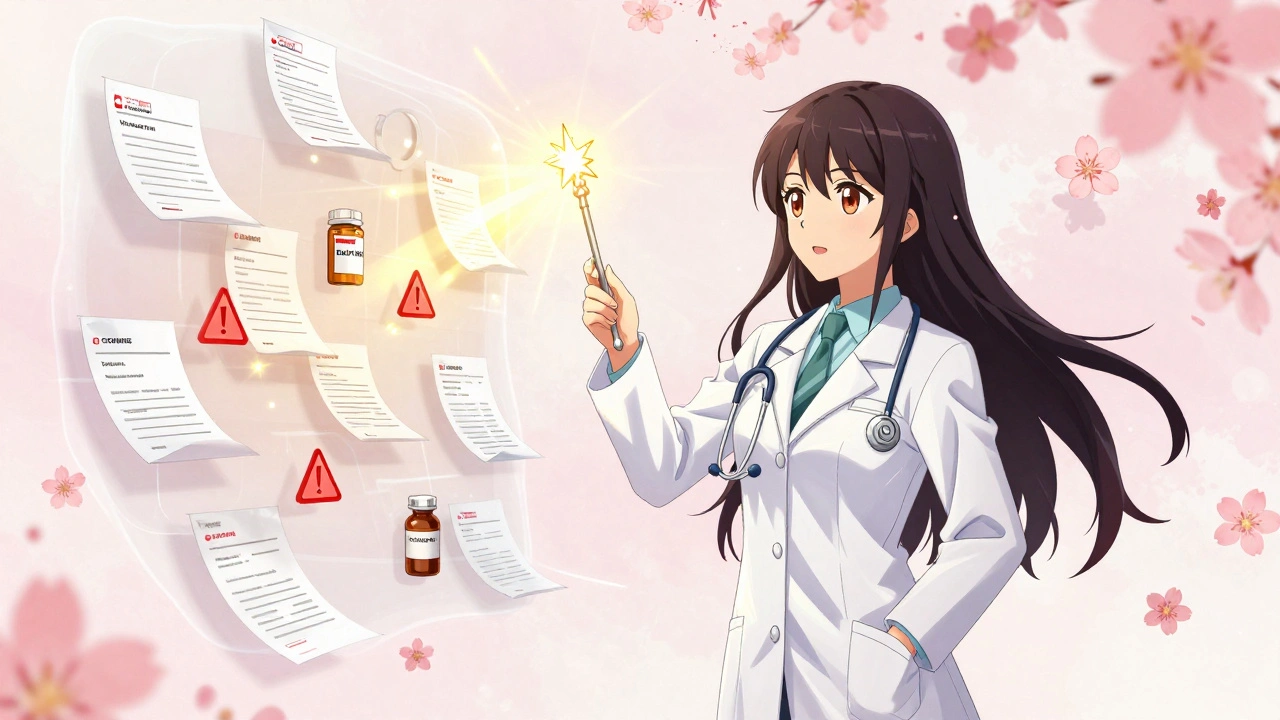
When you take a medication safety, the practice of using drugs correctly to avoid harm, including avoiding dangerous interactions and managing side effects. Also known as drug safety, it’s not just about following the label—it’s about understanding how your body, age, other meds, and even your food can turn a helpful pill into a serious threat. Every year, hundreds of thousands of people end up in the ER because of avoidable medication mistakes. It’s not always about taking too much—it’s often about what you take with it. A common antibiotic, a glass of grapefruit juice, or an herbal supplement like yohimbe can trigger a chain reaction that leads to heart rhythm problems, kidney damage, or even sudden death.
Drug interactions, when two or more substances change how a drug works in your body. Also known as medication interactions, it’s one of the biggest hidden dangers in modern healthcare. Think of it like a traffic jam in your bloodstream. Amiodarone, digoxin, and warfarin together? That’s a three-car pileup waiting to happen. Sulfonamides in newborns? They can push bilirubin into the brain, causing permanent damage. Even something as simple as grapefruit can make your immunosuppressant levels spike to toxic levels. And it’s not just prescription drugs—over-the-counter sleep aids, herbal supplements, and alcohol all play a part. The type of alcohol doesn’t matter. Beer, wine, or spirits—they all interact the same way.
Medication side effects, unwanted reactions to a drug, ranging from mild nausea to life-threatening organ damage. Also known as drug side effects, they’re not random—they’re predictable if you know what to look for. Statins cause muscle cramps. Metformin gives you stomach pain. Bupropion can trigger seizures or anxiety. And for seniors, the risks multiply. Aging slows how your liver and kidneys process drugs, making even normal doses dangerous. That’s why doctors use tools like the Beers Criteria to flag high-risk meds for older adults. You might not realize that the same pill that helps your arthritis could make you dizzy and fall. Or that a generic version of your heart drug works just as well as the brand—but only if it meets the 80-125% absorption rule. That’s not marketing. That’s science.
And here’s the part no one tells you: generic drug safety, the reliability and effectiveness of FDA-approved generic medications compared to brand-name versions. Also known as generic medication safety, it’s not a gamble. Clinical studies show generics are just as effective for most conditions. But if your insurance forces you to switch, you need to know how to appeal. If you’re buying cheap atenolol online, you’re risking fake pills. And if you’re using expired meds in an emergency, you need to know which ones are still safe—like insulin or antibiotics—and which ones could kill you.
For older adults, elderly medication risks, the increased vulnerability of seniors to drug side effects, interactions, and overdose due to age-related changes in metabolism and organ function. Also known as geriatric drug safety, it’s a silent crisis. Insomnia meds like benzos can cause falls. Painkillers can wreck your kidneys. Even common heartburn pills like famotidine need caution if you’re over 65. That’s why tools like medical alert bracelets—especially ones with QR codes—are no longer optional. They tell emergency workers what you’re taking before you can speak.
What you’ll find below isn’t a list of warnings. It’s a practical guide to staying safe. From how to manage gas from diabetes meds to why QT prolongation from antidepressants can stop your heart, every post here is built from real cases, real science, and real people who learned the hard way. You don’t need to be a doctor to protect yourself. You just need to know what to ask.