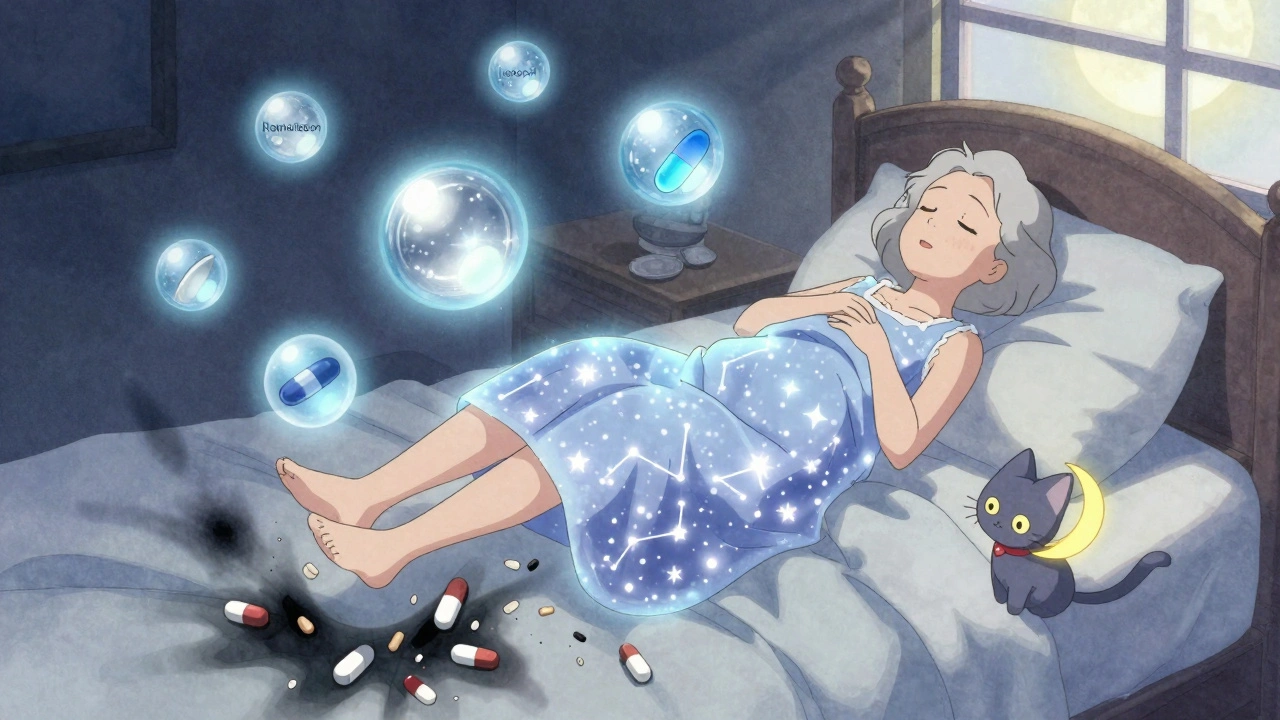
Ramelteon: What It Is, How It Works, and What You Need to Know
When you struggle to fall asleep, your body isn’t broken—it’s just out of sync. Ramelteon, a prescription sleep medication that targets the brain’s melatonin receptors to help reset your internal clock. Also known as a melatonin receptor agonist, it doesn’t sedate you like sleeping pills. Instead, it signals to your brain that it’s time for sleep, making it a gentler option for people with trouble falling asleep at the start of the night. Unlike benzodiazepines or z-drugs, ramelteon isn’t addictive, doesn’t cause next-day grogginess, and isn’t a controlled substance. That’s why doctors often recommend it for chronic insomnia focused on sleep onset, especially in older adults or those avoiding stronger sedatives.
Ramelteon works because your body naturally produces melatonin as darkness sets in. But stress, screen time, or aging can mess with that signal. Ramelteon mimics melatonin’s action at the MT1 and MT2 receptors in your brain’s sleep-wake center. It’s not a cure-all—it won’t help you stay asleep if you wake up in the middle of the night. But if your biggest problem is lying awake for an hour after turning off the lights, this drug can make a real difference. It’s taken 30 minutes before bed, on an empty stomach, and only if you have at least 7 hours to sleep. Taking it too late or after eating can make it useless.
It’s not for everyone. If you have severe liver problems, ramelteon can build up in your system and cause side effects like dizziness or fatigue. It also interacts with some antidepressants and antifungal drugs that slow down how your liver breaks it down. People with depression or suicidal thoughts should use it carefully—sleep medications can sometimes worsen mood symptoms, even if they’re not sedatives. And while it’s safe for long-term use, it’s meant to be part of a bigger plan: good sleep hygiene, consistent bedtime, and avoiding screens before bed.
What you’ll find below are real, practical articles that connect directly to ramelteon’s use and context. You’ll read about how aging affects medication safety, why some sleep drugs cause next-day drowsiness, and how to tell if your insomnia is due to your biology or your habits. There’s also info on drug interactions, how to save on prescriptions, and what to do if a sleep aid isn’t working. These aren’t generic advice pieces—they’re based on clinical studies, patient experiences, and real-world prescribing patterns. Whether you’re considering ramelteon, already taking it, or just trying to understand why sleep is so hard, this collection gives you the facts without the fluff.